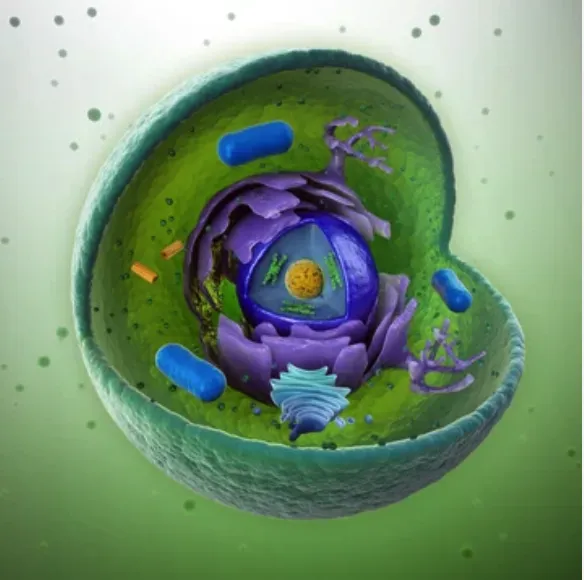
Chronic Illness Root Cause Approach: Understanding Why the Body Stops Healing
When Nothing Makes Sense Anymore
Most people don’t start out searching for a chronic illness root cause approach.
They start by trying to feel better.
They manage symptoms.
They follow protocols.
They clean up diet and lifestyle.
They do what they’re told.
And yet, over time, symptoms persist—or multiply. Fatigue deepens. Hormones feel unpredictable. Brain fog becomes constant. The body reacts strongly to things that never used to be a problem.
Eventually, the question changes.
Instead of “What should I take?” it becomes
“Why does my body feel stuck?”
That question is not failure.
It’s awareness.
Why Chronic Illness Requires a Different Lens
Acute illness and chronic illness are not the same.
Acute illness is often about removal—of an infection, an injury, an inflammation trigger.
Chronic illness is about adaptation.
Over time, the body adapts to:
Ongoing stress
Environmental toxins
Trauma
Infections
Nutrient depletion
Hormonal strain
These adaptations help you survive—but they also change how your body functions.
A chronic illness root cause approach recognizes that symptoms are not random errors. They are intelligent responses to long-term strain.
Why Symptom-Based Care Falls Short
Symptom-based care plays an important role. It can reduce suffering and stabilize daily life.
But when symptoms persist long-term, managing them alone often creates frustration.
This is where cellular healing vs symptom management becomes critical.
Symptom management asks:
“How do we make this stop?”
Root-cause healing asks:
“What conditions made this necessary?”
When we only silence signals without changing the cellular environment, the body compensates—often by creating new symptoms.
The Common Root Patterns in Chronic Illness
While diagnoses vary, chronic illness often shares underlying patterns:
Mitochondrial dysfunction (low cellular energy)
Nervous system dysregulation
Chronic inflammation
Hormonal adaptation
Impaired detox capacity
Mineral depletion
A chronic illness root cause approach doesn’t chase every symptom individually. It looks for these shared stressors and addresses them systematically.
This is why people with vastly different diagnoses often respond to similar foundational support.
Cellular Energy: The Gatekeeper of Healing
Healing is not passive.
Every repair process—detoxification, hormone regulation, immune balance—requires energy.
In chronic illness, energy is often prioritized for survival, not repair. The body makes intelligent trade-offs to keep you functioning.
This is why:
Rest doesn’t feel restorative
Exercise worsens fatigue
Detox feels overwhelming
Supplements feel “too strong”
Until cellular energy improves, the body resists change—not because it’s broken, but because it’s conserving resources.
Detox Isn’t the Root — Readiness Is
Many people pursuing root-cause healing assume toxins are the primary issue.
Sometimes they are.
But detox without readiness is one of the most common reasons why detox protocols fail.
Detox requires:
Sufficient energy
Mineral availability
Functional bile flow
Open drainage pathways
Nervous system safety
Without these foundations, detox becomes a stressor instead of a solution.
This is why cellular detox for chronic illness must be approached as a function to restore, not a protocol to push.
Nervous System Dysregulation: The Hidden Driver
One of the most overlooked pieces of a chronic illness root cause approach is the nervous system.
When the nervous system perceives danger—whether from trauma, chronic stress, illness, or repeated failed treatments—the body shifts into protection mode.
In this state:
Digestion slows
Detox decreases
Hormones shift toward stress adaptation
Inflammation increases
Healing is deprioritized
This isn’t emotional weakness.
It’s biological intelligence.
Advanced cellular healing frameworks—such as those taught by Dr. Pompa—emphasize sequencing: safety before detox, regulation before repair.
When the nervous system feels safer, the body allows healing.
Hormones as Adaptive Signals
In chronic illness, hormones are often labeled as “imbalanced.”
From a root-cause lens, hormones are responding to stress.
Cortisol rises to maintain energy.
Thyroid output adapts to conserve resources.
Estrogen shifts to buffer inflammation and stress.
Suppressing these signals without addressing the cellular environment often leads to temporary relief followed by rebound symptoms.
A chronic illness root cause approach works with hormonal adaptations while rebuilding the conditions that allow balance to return naturally.
Why Progress Often Feels Slow (But Isn’t)
Root-cause healing rarely feels dramatic.
Progress often looks like:
Slightly better mornings
Fewer crashes
Improved tolerance
More emotional steadiness
Gradual symptom softening
This pace can feel frustrating—especially if you’ve been searching for answers for years.
But slow progress is often stable progress. It reflects the body reallocating resources toward repair instead of survival.
Tools Support Healing — They Don’t Create It
Supplements, therapies, and protocols can be valuable when used appropriately.
But in a root-cause model, tools are supportive, not corrective.
This principle matters deeply:
“Supplements don’t replace healing — they support the systems that make healing possible.”
When tools are layered on top of depleted systems, they overwhelm.
When they support foundations, they help restore resilience.
Reframing Chronic Illness Itself
Perhaps the most important part of a chronic illness root cause approach is this reframe:
Your body didn’t fail.
It adapted.
Symptoms are not evidence of dysfunction—they are evidence of protection.
When we honor that intelligence, rebuild safety, restore energy, and support cellular function, the body often begins to heal in ways that no protocol alone can force.
If you’d like to continue learning how cellular health, nervous system regulation, and root-cause healing work together, you can explore Guenna’s free educational resources here:
https://guennamullet.com/free-resources
There’s no urgency. Just information to help you move forward with clarity, patience, and trust in your body.
Disclaimer: This information is for educational purposes only and is not intended to diagnose, treat, cure, or prevent any disease. Always consult with a qualified healthcare provider before making changes to your health regimen, especially if you have a medical condition or are taking medication. Functional lab testing and protocols should be supervised by a qualified practitioner.
