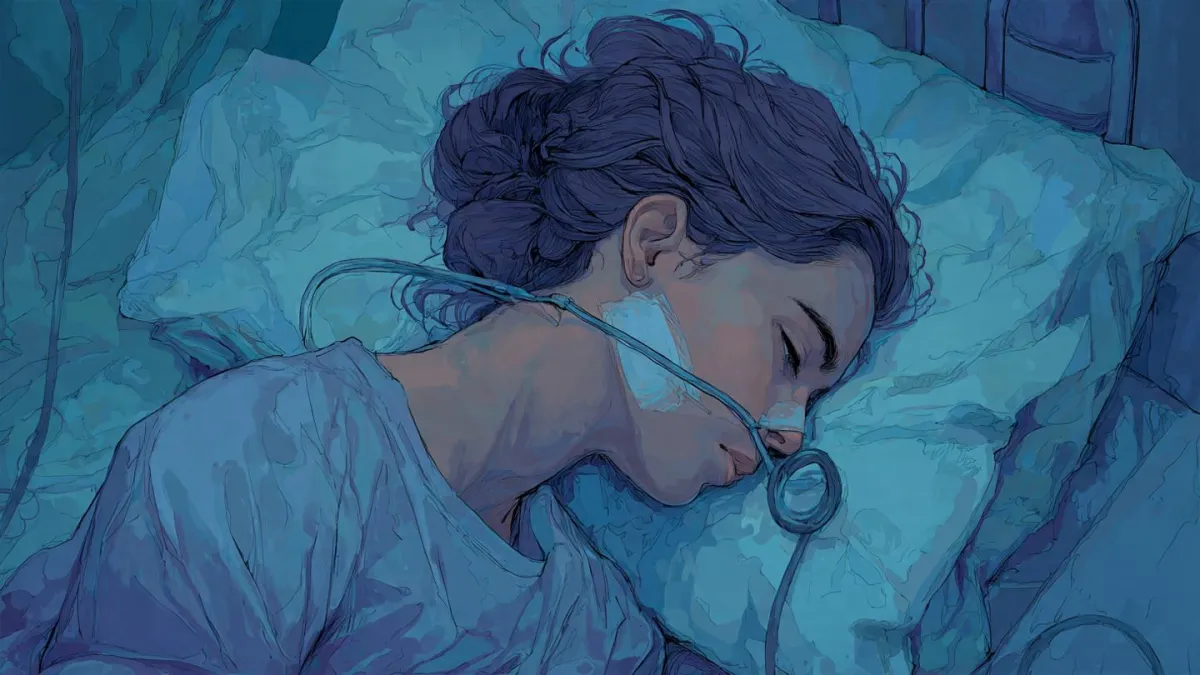
Why Protocols Fail Chronic Illness: The Problem Isn’t Effort — It’s Sequence
Opening: When You’ve Tried Everything and Nothing Sticks
If you’re searching for why protocols fail chronic illness, you’re likely exhausted—not just physically, but emotionally.
You’ve followed plans carefully.
You’ve committed to timelines.
You’ve invested in testing, supplements, therapies, and coaching.
And yet, the results don’t last. Or they never fully arrive.
This experience can quietly erode trust—not just in protocols, but in your own body.
Let’s name something important right away:
Protocols don’t fail because you didn’t try hard enough.
They fail because the body wasn’t ready for what was being asked of it.
Chronic Illness Is Not a Protocol Problem
Protocols are designed to do something: remove toxins, balance hormones, eradicate infections, reduce inflammation.
Chronic illness, however, is not usually caused by a single thing that can be removed.
It’s the result of long-term adaptation to:
Chronic stress
Environmental toxin exposure
Trauma
Infections
Nutrient depletion
Nervous system overload
A chronic illness root cause approach recognizes that the body has reorganized itself around survival.
When protocols don’t account for that reorganization, they overwhelm rather than heal.
Why More Precision Doesn’t Always Equal Better Results
When protocols fail, the instinct is often to get more specific:
More testing
More targeted supplements
More complex plans
But precision doesn’t replace capacity.
If the body lacks:
Cellular energy
Nervous system safety
Mineral reserves
Functional digestion
Detox readiness
Even the most precise protocol becomes another stressor.
This is one of the quiet truths behind why protocols fail chronic illness—they’re layered on systems that can’t yet respond.
The Nervous System Determines Whether a Protocol Lands
The nervous system is not separate from healing. It governs it.
When the nervous system perceives threat:
Digestion slows
Absorption decreases
Detox pathways downregulate
Hormones shift into protection mode
This is why detox without nervous system support so often backfires.
From the body’s perspective, healing is postponed until safety is restored.
This is biology, not resistance.
Why Protocols Can Help Temporarily — Then Stop
Many people experience a brief improvement when starting a protocol, followed by a plateau or crash.
This pattern fuels confusion around why supplements stop working and supplements not helping anymore.
Early gains often come from temporary compensation. The protocol props up a depleted system.
But if foundational stressors remain—energy depletion, nervous system dysregulation, inflammatory load—the body can’t sustain progress.
Eventually, symptoms return in a different form.
Healing Is an Energy-Dependent Process
Every repair process requires energy.
In chronic illness, energy is often rationed carefully. The body chooses stability over change.
This is why:
Rest doesn’t feel restorative
Exercise worsens fatigue
Detox feels overwhelming
Protocols feel “too much”
Until cellular energy improves, protocols ask the body to spend energy it doesn’t have.
That mismatch is central to why protocols fail chronic illness.
Sequence Is the Missing Piece
One of the most important concepts in root-cause work is sequence.
Healing doesn’t happen because the right protocol was found.
It happens because the body became able to respond.
Advanced cellular frameworks—such as those taught by Dr. Pompa—emphasize this order:
Safety and regulation
Energy restoration
Mineral and foundational support
Drainage and detox readiness
Targeted interventions
When this sequence is skipped, protocols fail—not because they’re wrong, but because they’re premature.
Cellular Healing Foundations Change Everything
This is where cellular healing foundations matter more than protocols.
Foundations include:
Stable blood sugar
Adequate minerals
Nervous system regulation
Mitochondrial support
Digestive and bile function
Reduced inflammatory load
When these are in place, protocols often become simpler—and more effective.
The body no longer has to fight them.
Symptoms Are Feedback, Not Failure
When protocols trigger symptoms, it’s tempting to label the body as difficult or broken.
But symptoms are communication.
They tell us:
The pace is too fast
The load is too high
The system feels unsafe
Resources are depleted
Listening to this feedback is not quitting.
It’s precision at a deeper level.
What Healing Looks Like When Sequence Is Honored
When protocols align with readiness, progress feels different.
It often looks like:
Increased tolerance
Fewer crashes
Quieter symptoms
More consistent energy
Emotional steadiness
Healing becomes less dramatic—but more durable.
A Reframe for Anyone Who Feels Burned by Protocols
If you’ve reached the point of asking why protocols fail chronic illness, let this reframe land gently:
Your body didn’t fail the protocol.
The protocol didn’t meet the body where it was.
Healing isn’t about finding the perfect plan. It’s about rebuilding the conditions that allow your body to heal itself—safely and sustainably.
If you’d like to continue learning how cellular foundations, nervous system regulation, and proper sequencing support healing, you can explore Guenna’s free educational resources here:
https://guennamullet.com/free-resources
No pressure. Just education to help you move forward with clarity and trust.
Disclaimer: This information is for educational purposes only and is not intended to diagnose, treat, cure, or prevent any disease. Always consult with a qualified healthcare provider before making changes to your health regimen, especially if you have a medical condition or are taking medication. Functional lab testing and protocols should be supervised by a qualified practitioner.
